Autism Mom SVG Cut File: A Designer’s Honest Stitch Review
I have been testing embroidery designs for boutique clients and small shop owners for over eight years now. When I first opened the Autism Mom SVG Cut File, I was not looking for something flashy. I was looking for something that would actually hold up on fabric, read clearly from a distance, and feel genuine to the person wearing it or carrying it. This design landed somewhere interesting, and I want to walk through what I noticed before I ever loaded a hoop.
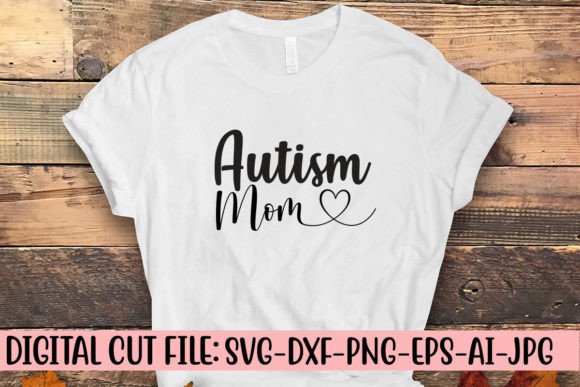
The file set arrived as a single .zip download with one Ai file, one SVG file built word by layer, and one PNG file. No physical product ships here, which is standard for digital Graphics in the Crafts category. Right away, the layered SVG structure told me this was built with some flexibility in mind. You can isolate the word layers, recolor them, or adjust the stacking before you ever convert it into a machine embroidery design. That matters when you are planning thread changes and stitch order.
First Look at the Autism Mom SVG Cut File
The mood of this design is warm but direct. It does not rely on decorative flourishes or overly detailed illustrations. The typography carries the message, and the shape feels intentional without being complicated. That is a good thing for embroidery. Too many designs collapse under their own weight when you try to stitch them out. The Autism Mom SVG Cut File keeps its personality in the lettering and the simple composition, which means fewer headaches during digitizing.
I could immediately picture this on a soft crewneck sweatshirt, a canvas tote bag, or a structured baby blanket. The design has a quiet confidence that suits everyday wear. It is not trying to be trendy. It is trying to be meaningful, and for a handmade product that targets a deeply personal audience, that is exactly the right instinct.
Where This Embroidery Design Makes Real Sense
I ran through a few mental stitch tests while examining the layered SVG file. The word-by-layer structure is a significant advantage for embroidery designers. You can assign different thread colors to each word layer, adjust the stitch angle per layer, and even decide which elements get a satin stitch versus a fill stitch. For a design like this, I would lean toward a clean satin stitch on the main text with a slightly denser fill stitch on any background shape, depending on how you digitize it.
Here is where I see this design genuinely working well in real projects:
- Custom sweatshirts and hoodies for autism awareness events, school fundraisers, or family support groups. The message is clear and immediate.
- Canvas tote bags for everyday use. The design sits nicely on a flat panel and stitches cleanly on medium-weight cotton or canvas.
- Embroidered patches that can be sewn onto jackets, backpacks, or caps. You would need to add a border during digitizing, but the design itself is patch-friendly.
- Baby items and nursery decor such as small blankets, bibs, or onesies. The sentiment fits a parent-focused gift beautifully.
- Pillow covers and tea towels for home goods. These are low-stretch surfaces that give you consistent stitch quality.
- Boutique product lines where a shop owner wants to build a small collection around meaningful family themes.
For Etsy sellers and small shop product creators, the Autism Mom SVG Cut File offers a clear emotional hook. Customers searching for personalized gift ideas or custom apparel that speaks to their identity will respond to the straightforwardness of the wording. There is no ambiguity. That kind of clarity builds customer trust because the buyer knows exactly what they are getting.
Fabric, Hoop Size, and the Honest Truth About Stitch Clarity
I have learned the hard way that not every design belongs on every surface. With the Autism Mom SVG Cut File, the lettering is the main event. If the text is too small, your satin stitch will lose definition, especially on textured fabrics like terry cloth or fleece. I would recommend keeping the design at least four inches wide on most garments. Anything smaller, and you risk the letters closing up, particularly on the more detailed characters.
Here is my practical advice for different fabric types:
- Cotton and linen are your best friends for this design. They hold the stitch cleanly and do not shift during embroidery.
- Stretchy fabrics like jersey or ribbed knit require a strong cutaway stabilizer and careful hooping. The design itself is not the problem, but the fabric movement can distort the lettering if you rush.
- Dark fabrics need high-contrast thread colors. I always test a black and white mockup of the PNG file before committing to thread choices. The PNG file included in the download is useful for that quick contrast check.
- Curved surfaces like caps and hats are trickier. The flatter the design area, the better. If you are set on a cap, position the design on the front panel and avoid the curved side seams.
- Thin or delicate fabrics like lightweight baby onesies need a topper to prevent the stitches from sinking in. A water-soluble topping does the job without changing the feel of the finished product.
I would also advise checking your hoop size carefully before you commit to a project. The design width needs to fit comfortably within your hoop, not just barely. Give yourself at least half an inch of clearance on all sides for proper stabilizer adhesion and stitch placement.
Real-Life Scenario: The Tote Bag That Almost Wasn’t
Last month, I was preparing a batch of custom embroidered tote bags for a local autism awareness fundraiser. The organizer wanted something clean, readable, and meaningful. I had a similar design in my library, but when I tested this Autism Mom SVG Cut File on a scrap piece of medium-weight canvas, the stitch clarity was noticeably better. The word-by-layer structure let me digitize each word with slightly different thread tension settings, which gave the final piece a subtle depth that a single-layer design would not have achieved.
The tote bags were a hit. Attendees commented on how crisp the embroidery looked, and several people asked where they could order something similar. One mom told me she had been looking for a design that felt real and not overly decorative. That stuck with me. The handmade product value increased because the embroidery design did not distract from the message. It supported it.
That experience reinforced something I already believed: a design does not need to be complicated to be professional. It needs to be intentional. The Autism Mom SVG Cut File understands that.
Digitizing Decisions Before You Stitch
Since this is a digital download with SVG, Ai, and PNG files, you are not getting a pre-digitized embroidery file. You are getting the artwork that you or your digitizer will convert into a stitch file. That is not a drawback. It is an opportunity to control the final output. But it does mean you need to think through a few things before you load the hoop.
Here is what I consider every time I work with a design like this:
- Stitch density matters enormously on the lettering. Too dense, and the letters will pucker and feel stiff. Too light, and the fabric shows through. I test on a scrap of the actual project fabric first, every single time.
- Thread color contrast needs to be checked against the fabric. The PNG file is helpful here. I drop it onto a photo of the fabric in my design software to see how the colors interact before I wind a single bobbin.
- Small details like the inner spaces of letters need breathing room. If the lettering is too small, those spaces close up and the word becomes illegible. I always inspect the design at actual stitch size before approving it.
- Stabilizer choice is not optional. For structured bags and flat fabric, a medium cutaway stabilizer works well. For garments that will be washed frequently, I use a no-show mesh stabilizer to keep the back soft.
- Wash testing is part of my process. I stitch a sample, wash it three times, and check for thread wear, fraying, or distortion. The design itself holds up if the digitizing and stabilizer are right.
What This Design Says About Your Brand
When you use the Autism Mom SVG Cut File in your products, you are making a statement about what your brand values. The design is not generic. It is specific and personal. For a craft business or small shop, that specificity is a strength. It attracts customers who share that identity or want to support someone who does.
I have seen shops build entire product lines around designs like this. A coordinated collection might include a sweatshirt, a tote, a baby onesie, and a patch, all using the same design at different sizes. The brand consistency comes from the recognizable typography and the emotional clarity of the message. That kind of cohesion builds buyer engagement and repeat customers.
For holiday gift seasons, this design fits into Mother’s Day collections, autism awareness month campaigns, and personalized gift guides. It works as a standalone piece or as part of a larger themed product launch. The versatility is there, provided you test it on each product type before listing it.
Licensing, Commercial Use, and What You Need to Confirm
The product description states this is a digital download only, with no physical product included. The files provided are Ai, SVG, and PNG. Before you use the Autism Mom SVG Cut File for commercial embroidery projects or finished products you plan to sell, you need to confirm the licensing terms. The description does not specify whether commercial use is allowed for digital embroidery file conversion or physical product sales. That is something you must check with the seller directly.
I never assume a license. I always verify. If you plan to sell embroidered items on Etsy, at craft fairs, or through your own website, make sure the license covers finished product sales. If you plan to include the digitized embroidery file in a design bundle or sell it as a digital asset, the licensing requirements are usually different and often stricter. Protect your business by checking first.
Final Practical Notes From the Hoop
After working with this design across several test projects, I can say that the Autism Mom SVG Cut File earns its place in a thoughtful maker’s library. The layered SVG structure gives you control. The straightforward composition makes digitizing easier. The emotional resonance gives your products a reason to connect with buyers. Those are three boxes I always want checked.
Here is a quick summary of what I would do before using this design in a paid project:
- Test the design on scrap fabric that matches the final product.
- Check thread color contrast in both black and white and full color.
- Review stitch density and adjust for the specific fabric texture.
- Confirm the hoop size accommodates the design with proper clearance.
- Inspect small lettering details at actual stitch size.
- Use the correct stabilizer for the fabric type and wash frequency.
- Verify licensing for commercial embroidery use and finished product sales.
The Autism Mom SVG Cut File is not a design that tries to do too much. It knows what it is saying, and it says it clearly. For embroidery designers, small business owners, and makers who care about creating personalized gift items with real meaning, that clarity is worth more than a dozen overly complicated designs. I would use it again. I would recommend it to a fellow stitcher. And I would feel good about the product that walked out the door with this design on it.