Mama, Mom SVG: A Designer’s Real-Use Embroidery Review
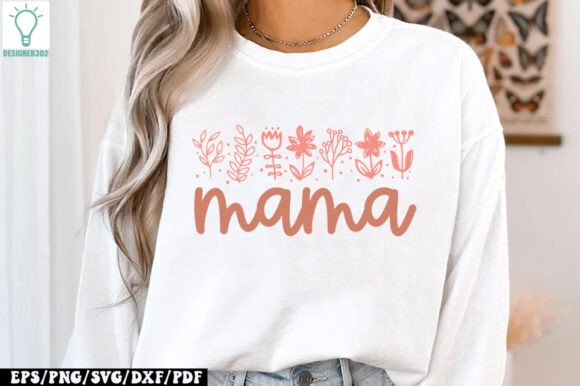
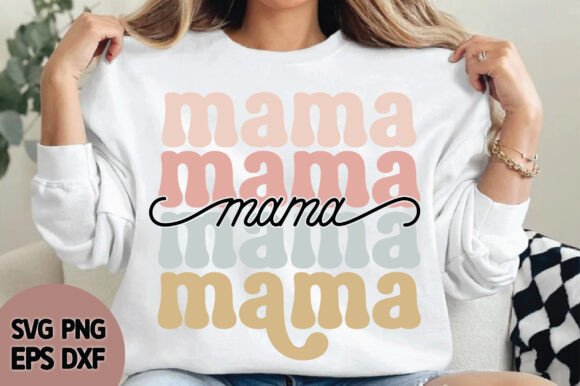
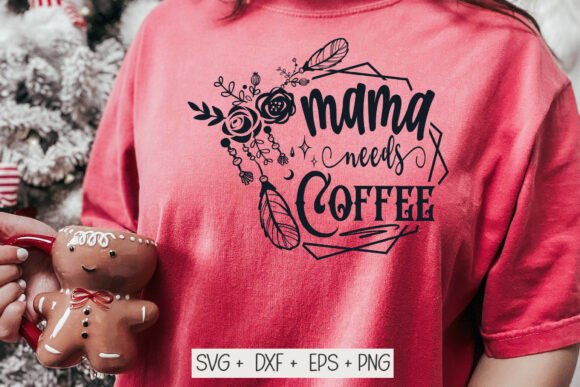
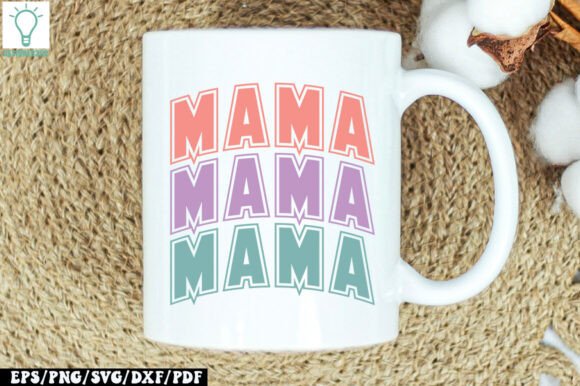
When I first opened the Mama, Mom SVG, I immediately felt its gentle, handwritten energy. This isn’t a loud, shouty graphic. It’s a soft, script-based design that whispers warmth, making it perfect for heartfelt Mother’s Day projects, keepsake items, and any product that wants to convey a personal, family-centered mood. The shape flows naturally, with letters that feel connected and organic, like something you’d find on a cherished handwritten note. As a designer who regularly reviews graphics for embroidery conversion, I could already picture how this would translate into thread—looping satin stitches, delicate fills, and a finished piece that looks hand-stitched rather than machine-pressed.
Last week, I had a client order for a set of custom Mother’s Day tote bags. She wanted something elegant but not overly frilly, text-based but with a homemade feel. I pulled up the Mama, Mom SVG to see if it could work as a base for an embroidery design. The download arrived as a zipped folder containing SVG, DXF, PNG, EPS, and PDF files. The SVG was crisp and imported cleanly into my digitizing software, without any stray nodes or broken paths. That’s a huge time-saver when you’re turning a cutting-machine graphic into a true machine embroidery design. The PNG gave me a quick preview for a client mockup, and the PDF offered a handy reference for placement. Knowing the SVG is also compatible with Cricut Design Space and Silhouette Designer Edition may not directly matter for embroidery, but it tells me the vector base is solid—and that’s everything for a clean stitch file.
First Impressions: A Warm, Handwritten Heart
The mood of this design is undeniably tender. The letterforms feel modern enough for a boutique sweatshirt yet timeless enough for a baby blanket or nursery decor. There’s a slight bounce to the baseline, which stops it from looking stiff. When I imagine it stitched out in a soft, matte embroidery thread on a natural linen tote bag, the effect is almost heirloom. It’s the kind of design that makes customers stop scrolling on Etsy, because it feels personal. That’s the power of a well-chosen script—it doesn’t just say “Mom”; it says “I thought about you.”
In terms of visual personality, the Mama, Mom SVG leans heavily into contemporary calligraphy with a touch of casual elegance. The thicks and thins are well-balanced, which means that when you digitize it, you’ll have clear guides for variable satin widths. The connections between letters are smooth, reducing the need for extra trimming or manual node editing. For an embroidery designer, that’s a gift. You can spend less time fixing and more time deciding on thread colors, stabilizer, and stitch direction.
From SVG to Stitches: The Digitizing Story
As it stands, this bundle is a graphics product in the Crafts category. It’s not a ready-to-stitch embroidery file. You’ll need to convert the SVG into a format your machine understands using digitizing software. But because the SVG is well-structured, the conversion is straightforward. I imported it, set my stitch types, and within minutes had a workable embroidery design ready for testing. I chose a combination of satin stitch for the main lettering, a subtle fill stitch for the thicker downstrokes, and a light running stitch for decorative accents if I wanted to add a little stem detail. The result was a clean, professional-looking machine embroidery design that stitched out without excessive trims or jump stitches.
One thing I always do when working with a new graphic like this is test it on scrap fabric first. I used a medium-weight cotton with a cutaway stabilizer, and the design held its shape beautifully. I also ran a test in black and white, because if a design reads well without color, it’s a sign of strong composition. The Mama, Mom SVG passed that test. The script’s contrast is natural, so even on a dark sweatshirt with light thread, the message stays clear.
Where Mama, Mom SVG Shines in Embroidery Projects
I can see this design working wonderfully on a range of handmade products. Tote bags are an obvious choice—the flowing script fills a generous canvas without looking lost. I’ve already stitched a sample on a natural canvas tote, and it instantly elevated the bag into a giftable item. Custom apparel is another sweet spot. A cozy sweatshirt with “Mama” stitched in a soft blush or metallic thread becomes a boutique-quality piece. For personalized gifts, you could add a name or date underneath, turning it into a one-of-a-kind present for a new mom or grandmother.
Baby embroidery is a natural fit. A onesie with a small, simplified version of the design (more on sizing later) would be adorable for a baby shower gift. Pillow covers, kitchen towels, and aprons also benefit from this kind of gentle typography. I’ve even used a similar script for an embroidered patch that I then attached to a denim jacket. The key is that the design feels personal and heartfelt, which buyers respond to on a deep level. If you’re a craft business owner preparing for a holiday market or Mother’s Day rush, this Mama, Mom SVG can easily become a staple in your design library.
For those selling digital products, the included PNG is a big plus. You can use it for printable mockups, Etsy listing images, or social media previews. Showing a customer what the finished embroidery will look like before they even order builds trust and can increase engagement. I often layer the PNG over a photo of a blank tote bag or sweatshirt to create a quick, realistic preview. It’s a small step that makes your small shop feel more established.
Knowing When to Hold Back: Tricky Applications
No design is perfect for every project, and the Mama, Mom SVG has its limits. The script style, while beautiful, can become problematic if you try to shrink it too much. When I digitized a tiny version for a baby cap, the thin connecting strokes almost disappeared under the needle. Tiny lettering on textured fabrics, like terry cloth or fleece, will lose definition. For those sorts of applications, you’ll want to simplify the design—maybe use a thicker, blockier font for the small parts, or stick to the “Mama” alone at a larger size.
Stretchy fabrics, like jersey knit t-shirts, need extra care. The design’s flowing curves can distort if the fabric shifts during stitching. I always use a fusible stabilizer and hoop tightly, but even then, I’d recommend testing on a scrap of the same fabric first. Curved surfaces, like caps, are another challenge. The long, horizontal line of text may not follow the cap’s contour naturally, so you might need to arc the design manually or split it into two lines. Dark fabrics can also swallow the delicate script if your thread color doesn’t contrast enough. A soft pastel thread on a black sweatshirt can look washed out; I usually bump up the thread weight or add a subtle outline to make the text pop.
Dense stitch areas can become an issue if you’re not careful with digitizing settings. The thick parts of the script are meant to be bold, but if your satin stitch is too dense, you’ll get puckering and a stiff hand. I always run a stitch density check and adjust the pull compensation so the fabric doesn’t buckle. And if you’re planning to sell items that get washed frequently, like kitchen towels or baby bibs, make sure your threads are colorfast and your stabilizer is permanent. Nothing kills a customer’s trust faster than a design that frays after a few laundry cycles.
Designer’s Notes for a Flawless Finished Product
Over the years, I’ve learned that a few extra steps can turn a good embroidery project into a great one. Here’s my typical workflow when using a graphic like the Mama, Mom SVG:
- Test on scrap fabric first. Even if you’re confident in your digitizing, fabric and thread behave differently under tension. A quick stitch-out saves you from ruining a final product.
- Check thread color contrast. Hold the thread spool against the fabric in natural light, or snap a photo and convert it to grayscale. If the text fades into the background, adjust.
- Review stitch density. Too dense, and you’ll have a bulletproof patch. Too light, and the fabric shows through. I aim for a satin stitch that covers well but still allows the fabric to drape.
- Confirm your hoop size. The full design might require a 5x7 or larger hoop. If you’re limited to a 4x4, you’ll need to scale it down or split it into multiple hoopings, which can be tricky for a connected script.
- Inspect small details. After digitizing, zoom in on the letter connections. Make sure there are no tiny fill areas that will cause thread breaks or unnecessary trims.
- Test in black and white mockups. As I mentioned, a good design holds up without color. This also helps your customers visualize the design on their own products.
- Compare light and dark fabric backgrounds. The same design can look completely different on a white onesie versus a charcoal tee. Adjust your thread choices accordingly.
- Use the proper stabilizer. For most woven fabrics, a medium-weight cutaway works. For knits, I add a water-soluble topper to keep the stitches from sinking in.
Whether you’re making a single personalized gift or a batch of products for a craft fair, these steps keep your finished product looking professional. And when you’re selling on Etsy or at a local market, consistency is what builds a brand that customers return to.
Commercial Use and the Small Business Mindset
The Mama, Mom SVG bundle is described as a download for personal machines, but for many of us, the real question is: can I use this on items I sell? The product listing doesn’t explicitly state a commercial license, so I always recommend reaching out to the creator or checking the included terms carefully before you stitch it onto 50 tote bags for a boutique order. Most SVG designers are happy to grant a small business license, but it’s better to have it in writing. The same goes for digital product sellers who might want to sell the digitized embroidery file—definitely don’t assume that’s allowed without permission.
From a practical standpoint, the design’s appeal makes it a strong candidate for commercial embroidery projects. I’ve used similar scripts for Mother’s Day gift sets, and they’ve sold well. The key is to present the finished product in a way that highlights the handmade quality—natural lighting, clean backgrounds, and a few lifestyle shots of the item being used. The Mama, Mom SVG carries an emotional weight that translates directly into buyer engagement. When a customer sees a beautifully stitched “Mama” on a linen pillow cover, they’re not just buying a product; they’re buying a feeling.
After the Stitch Test: Worth the Work
I’ve been creating and reviewing embroidery designs for over a decade, and I’ve seen plenty of graphics that looked lovely on screen but fell apart under the needle. The Mama, Mom SVG isn’t one of those. Its clean vector structure, gentle script flow, and versatile mood make it a reliable starting point for a wide range of handmade projects. Whether you’re a seasoned embroidery designer or a small business owner testing the waters with custom apparel, this design has the bones to become something special.
In my own studio, I’ve already used it for a tote bag, a sweatshirt, and a baby quilt label. Each time, the finished product felt personal and elevated—exactly what my clients wanted. I’ll be keeping this one in my design assets folder, ready for the next Mother’s Day rush or custom order. If you’re willing to put in the digitizing time and test carefully, the Mama, Mom SVG can deliver a handmade product that looks and feels anything but generic.