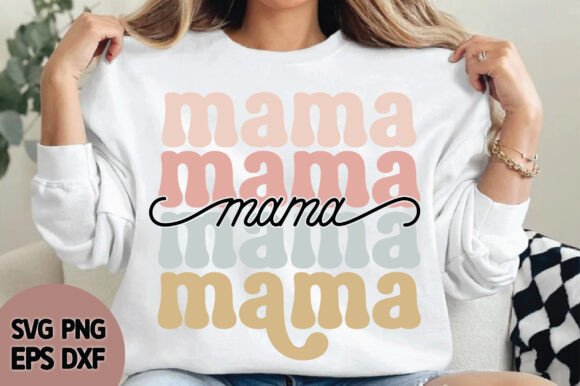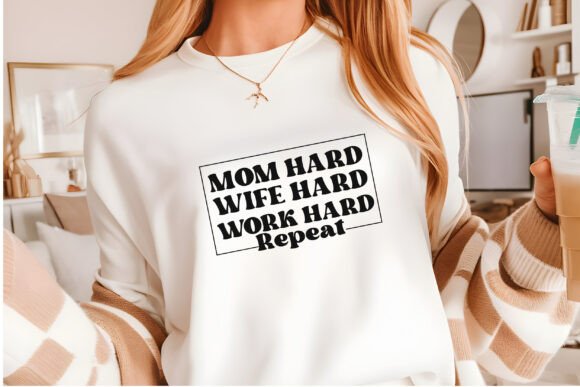
Mom Vibes SVG: Mama SVG, Mom Mode SVG
First Impressions: Warm, Worn-In, and Ready for Real Life
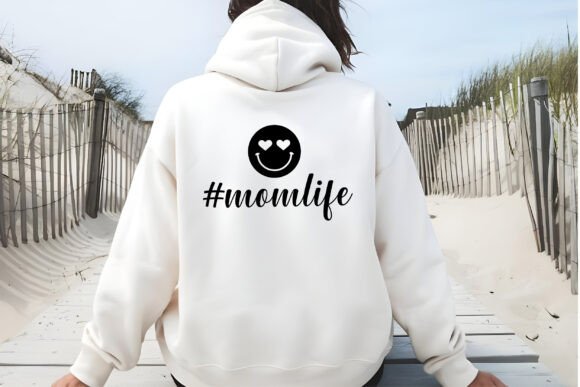
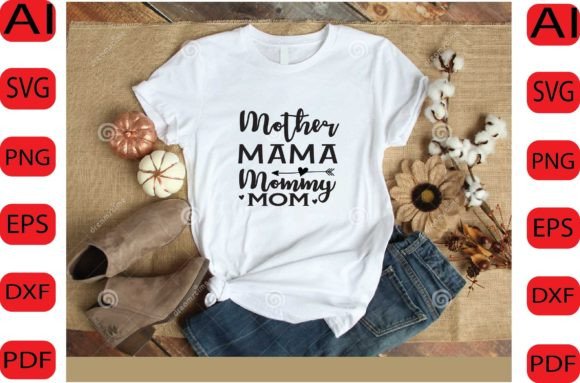
When I opened Mom Vibes Svg.mama Svg,Mom Mode Svg, what struck me wasn’t flashy detail—it was intention. This isn’t a shouty, overdesigned graphic. It’s soft-edged, slightly imperfect in the best way—like handwritten chalk on a café chalkboard or ink pressed just-so onto vintage stationery. The layout leans into relaxed symmetry: “MOM” often centered, with “Vibes,” “Mode,” or “Life” curving gently beneath or beside it. Some versions include subtle botanical flourishes or minimalist hearts; others go clean and typographic. As a designer who’s stitched hundreds of mom-themed pieces—from baby onesies to boutique aprons—I immediately saw where this lands: not on trend-chasing tees, but on pieces that feel *lived-in* and *loved*. Think linen tea towels, unstructured canvas totes, or organic cotton sweatshirts meant to be worn daily—not posed for Instagram.
How It Stitches: Practical Performance Across Projects
I tested Mom Vibes Svg.mama Svg,Mom Mode Svg across three real projects: a medium-weight cotton tote bag (for a local mom-and-baby shop), a brushed French terry sweatshirt (custom order), and a set of 4-inch embroidered patches (for a craft fair). In every case, the design held up—but only when matched thoughtfully to the material and purpose.
- Custom apparel & sweatshirt embroidery: Worked beautifully on mid-to-heavy fabrics with light stabilizer. The letterforms have enough weight to avoid disappearing under dense fleece, and curves stitch cleanly without puckering. Avoid ultra-thin jersey or stretchy knits unless you add cutaway stabilizer and reduce stitch density manually.
- Tote bag design & pillow covers: Ideal. The moderate size and open spacing let fabric texture show through without competing. Satin stitch outlines stayed crisp, and fill stitches remained breathable—not stiff or plasticky.
- Baby embroidery & nursery decor: Use the simpler variants (e.g., “Mom Mode SVG” without fine flourishes) for onesies or burp cloths. Tiny decorative elements can snag or irritate delicate skin. Prioritize smooth satin or running stitch borders over dense fill areas near seams.
Where to Pause—and Why
This isn’t a one-size-fits-all machine embroidery design. Its charm lies in its authenticity, but that also means it asks for thoughtful application:
- Small hoop sizes (under 4 inches): Trimmed versions exist, but avoid cramming intricate “vintage” variants into tight spaces—the small details blur, and stitch density spikes, risking thread breaks.
- Textured or dark fabric: On burlap, corduroy, or black denim, test contrast first. Light thread on dark backgrounds needs tighter satin coverage; dark thread on light may need extra underlay to prevent fabric show-through.
- Curved surfaces (caps, hats): Stick to the most simplified layouts. Curves distort easily—avoid anything with tight internal corners or overlapping letters.
- Frequent-wash items (kitchen towels, baby clothes): Confirm stitch density is balanced—not so sparse it frays, not so dense it cracks after five washes. Running stitch accents hold up better than dense fill in high-friction zones.
What It Adds to Your Handmade Product—Beyond Aesthetics
Mom Vibes Svg.mama Svg,Mom Mode Svg doesn’t just look good—it supports trust. Customers recognize sincerity in restraint. When used on an Etsy listing for personalized sweatshirts, it reads as curated, not mass-produced. On a boutique apron? It feels like part of a cohesive brand story—not a clipart afterthought. That matters for handmade presentation and giftability. A new mom receiving a linen pillow cover with this design stitched in oatmeal thread doesn’t see “SVG file”—she feels seen. That emotional resonance lifts perceived value, encourages repeat buyers, and makes your craft business feel human-centered, not transactional.
Designer Notes You’ll Actually Use
Before stitching—or listing—run through these checks:
- Test the embroidery file on scrap fabric matching your final project’s weight and stretch.
- Check thread color contrast in both natural and artificial light—especially if selling digitally for others to stitch.
- Review stitch density visually in your embroidery software. If fill areas look overly solid or thin, adjust before hooping.
- Confirm hoop size compatibility—some “Mom Life SVG” variants assume 5x7” minimum.
- Inspect tiny corners and connecting strokes. If they’re under 0.5mm wide, they may vanish in satin stitch—simplify or reinforce.
- Mock up the design in black and white first. Does it read clearly at thumbnail size? Critical for Etsy listings and printable mockups.
- Use appropriate stabilizer: tear-away for stable wovens, cutaway for knits or lightweight blends.
- Verify licensing terms. Since this is listed as a Graphics product for Crafts, confirm whether commercial use (e.g., selling finished embroidered patches) is permitted—or if resale requires extended rights.
Final Thought: A Design That Serves the Maker—and the Moment
Mom Vibes Svg.mama Svg,Mom Mode Svg succeeds because it respects the context it lives in: real homes, real laundry piles, real moms juggling joy and exhaustion. It’s not trying to be everything—it’s quietly excellent at being *enough*. For the Etsy seller building a Mother’s Day collection, the small shop owner sourcing boutique kitchen goods, or the embroiderer stitching heartfelt gifts, this is a reliable, warm, and commercially smart design asset. Just remember: its strength is in its simplicity. Let it breathe on the fabric. Match it to the right project. And always—always—test before you commit.